

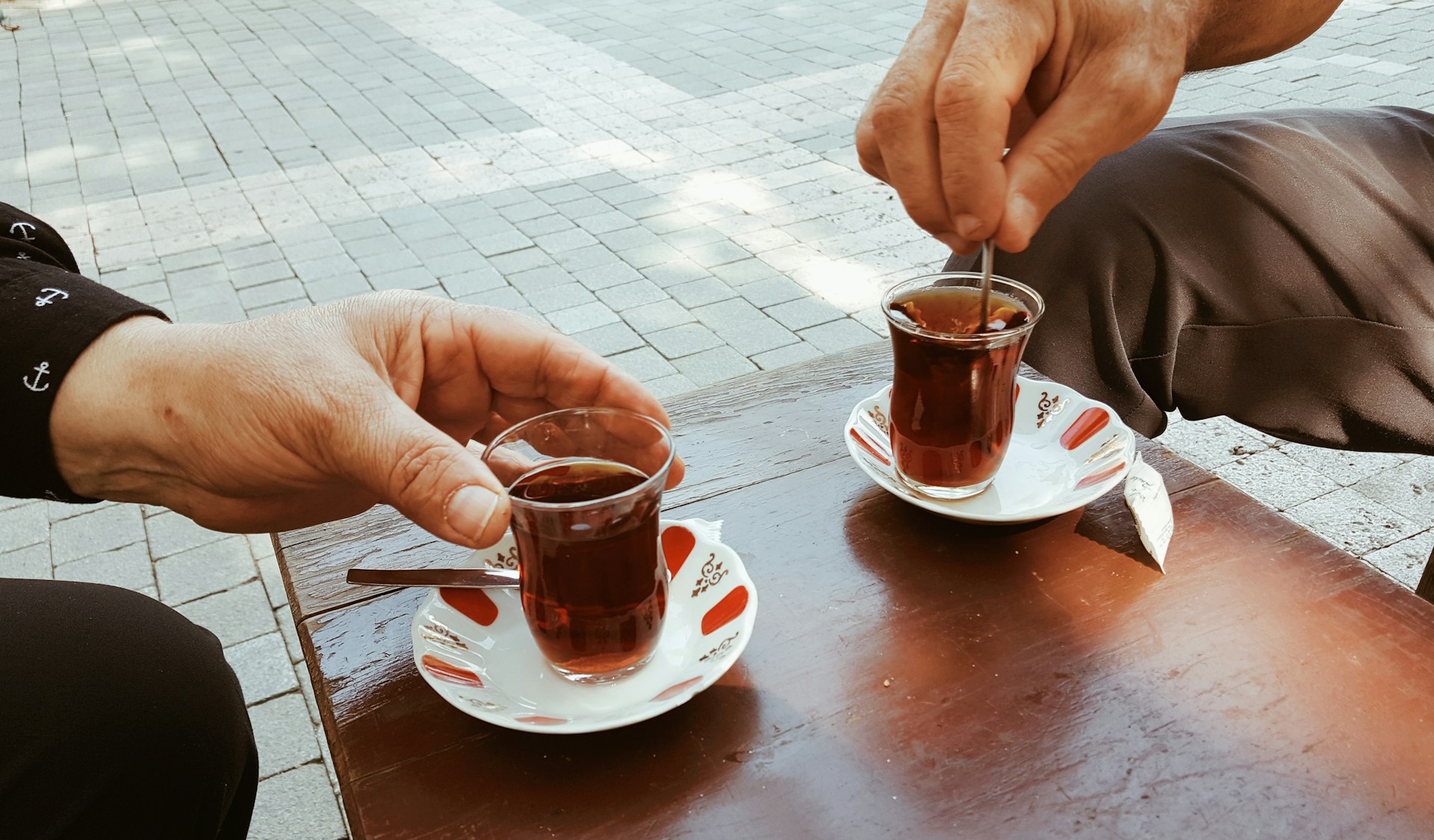
Slowing down can feel radical when life moves at a breakneck pace. Carving out pockets of stillness and calm can have meaningful effects on well-being, focus, and joy. Among the many practices that promote “slow living,” few are as accessible or grounding as the ritual of tea.
This post explores how developing a practice of preparing and savoring tea can become a daily anchor for mindfulness and calm. You’ll learn about the cultural roots of tea, the science behind its calming effects, practical steps for starting your tea ritual, and how this simple habit can transform everyday life.
Why Everyday Rituals Matter
Rituals are more than routines. They add intention and meaning to the mundane, turning ordinary tasks into rich experiences. Engaging in simple, mindful practices helps set the rhythm of the day and signals to our brain that it’s time to pause.
Modern research validates what ancient traditions have always known: ritualistic habits, even if small, can lower stress levels, boost mood, and foster resilience against chaos.
Tea rituals are a profound example. Unlike purely functional habits, they require a participant to slow down, follow a deliberate sequence, and focus on sensory experience. For those seeking a grounding daily practice, tea offers an inviting starting point.
Cultural Wisdom Surrounding Tea
Across the globe, communities have cultivated rich traditions around tea. Whether it’s the Japanese Way of Tea (Chadō), Chinese Gongfu Cha, Moroccan mint ceremonies, or British afternoon teas, each culture brings its values to the cup.
- Japan reveres simplicity and grace in the tea process, highlighting attention to detail and presence.
- China’s Gongfu Cha is about skill, patience, and drawing nuanced flavor from fine leaves.
- Morocco turns tea into hospitality, marking occasions and welcoming guests with sweetened mint infusions.
- Britain embraces social connection, setting aside time each afternoon to pause with friends or family.
The lasting power of these customs isn’t only in the beverage itself, but in the intentional slowing down they inspire. Exploring or borrowing from these rituals can help enrich your slow living practices.
The Science of Slowing Down with Tea
Tea offers more than cultural beauty; it also brings notable physiological benefits that align with the philosophy of slow living.
- L-theanine, an amino acid found primarily in green and black teas, promotes calm alertness without drowsiness. Combined with caffeine, it produces a relaxed focus prized by meditation practitioners.
- Antioxidants in tea, such as catechins and polyphenols, can help protect cells from stress and support overall health.
- The act of preparing tea naturally involves tangible calming habits, from boiling water to mindful pouring and slow sipping. Each step can help regulate your breath and heart rate, nudging your nervous system toward relaxation.
Mindfully experiencing aroma, warmth, and taste grounds you in the present, inviting your body and mind to settle.
Steps for a Grounding Tea Ritual
Developing your tea ritual doesn’t require expertise or expensive equipment. The essence lies in intention. Here’s a practical guide to bringing more presence into your tea moments:
1. Set the Scene
- Choose a dedicated time and place where distractions are minimal.
- Select a teacup or pot you enjoy using. These small choices signal the transition from haste to calm.
2. Focus on Preparation
- Notice the aroma of dry leaves.
- Measure and handle the tea thoughtfully.
- Pour water slowly, observing the steam and color shift.
3. Allow Rest and Steeping
- While the tea steeps, pause. Use this moment for a few deep breaths.
- Resist the urge to multitask; the power is in attention.
4. Savor Each Sip
- Notice the warmth, flavor, and sensation on the tongue.
- Sit for a few minutes and enjoy, savoring the gentle transition from busy to calm.
Customize these steps to match your own pace and style. What matters most is the intention to pause and be present.
Elevating Slow Living with Calming Habits
Combining the tea ritual with other calming habits can amplify its effects. Consider pairing your tea practice with:
- Journaling to note your thoughts, feelings, or gratitude.
- Gentle music or silence, letting sensory input set the tone.
- Breathwork or a short meditation as the tea steeps.
- Light stretching or movement while waiting for the water to boil.
Stacking simple, grounding practices deepens your experience and helps reinforce slow living as a daily choice.
Tea Rituals for Different Lifestyles
While elaborate ceremonies have their place, the beauty of tea is its adaptability. Whether you’re a busy professional, a parent, or living solo, there’s a ritual that fits your life:
- Mornings: Set an intention for the day as you enjoy your first cup.
- Afternoons: Use a midday tea break to reset energy and focus.
- Evenings: Signal unwinding time with a caffeine-free herbal infusion.
If a full ceremony feels overwhelming, start with one mindful step, like noticing the aroma or temperature of your tea. Over time, these micro-moments add up to something powerful.
How to Sustain Your Practice
Making a tea ritual stick, like any habit, requires a blend of consistency and flexibility.
- Stick to a regular time: Link your tea ritual to an anchor event (after lunch, before bed).
- Experiment with new teas or methods to keep your practice engaging.
- Invite others: Share the experience with a loved one or housemate to strengthen the connection.
- Reflect: Note small shifts in your mood, focus, or well-being after a week or two.
Patience is key. The value lies in the ongoing return to presence, not perfection.
A Quiet Transformation Begins With One Cup
Slow living isn’t about escaping the modern world; it’s about carving out moments of presence amidst the noise. A simple tea ritual offers a practical way to do just that, transforming a daily habit into a grounding anchor. It turns boiling water into a cue to pause and your cup into a vessel for peace.
We often underestimate the power of these small, consistent actions. Unlike the mechanical force measured by the torque gauges and stands found on this website, the impact of a tea ritual is subtle. Yet, it possesses enough strength to recalibrate your mindset and shift the entire trajectory of your day.
If you’re curious about slow living, start here. Savor the silence, reconnect with your senses, and let the quiet repetition of brewing tea help you find your balance.