
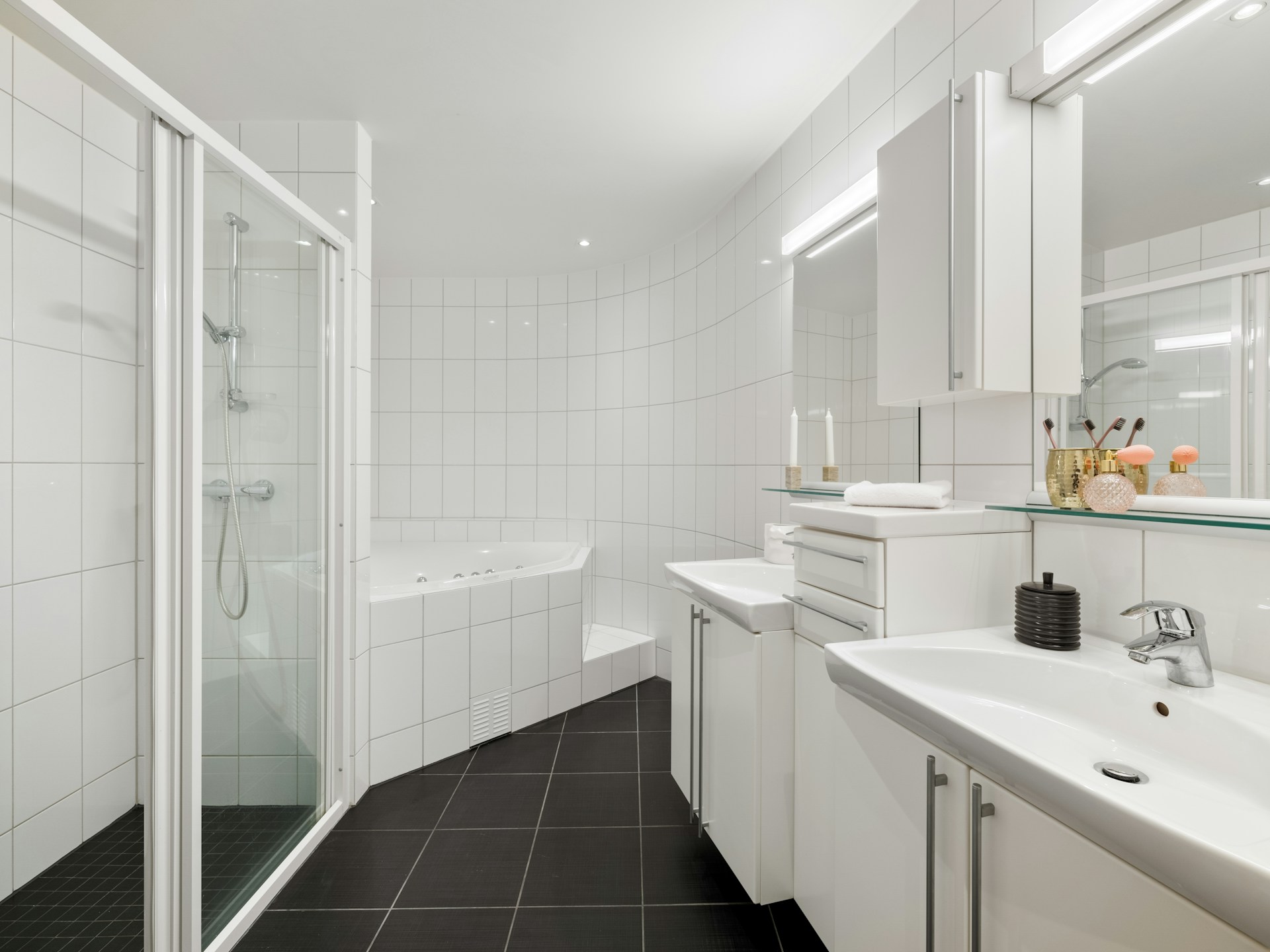
A bathroom renovation represents one of the most significant home improvement investments you’ll make, with average costs ranging from $10,000 to $25,000.
Yet many homeowners focus primarily on aesthetics—selecting beautiful tiles, elegant fixtures, and stylish vanities—while overlooking the critical plumbing infrastructure that makes everything function properly. This oversight can lead to devastating consequences.
Water damage, code violations, and costly repairs can quickly transform your dream bathroom into a financial nightmare. The most successful bathroom renovations begin with comprehensive plumbing planning that addresses everything from water pressure to drainage systems.
Understanding the technical aspects of plumbing design and fixture installation requirements will help you make informed decisions, avoid expensive mistakes, and create a bathroom that functions flawlessly for decades.
Whether you’re planning a simple fixture upgrade or a complete layout transformation, the considerations outlined in this guide will ensure your project’s success.
Evaluating Your Existing Plumbing System
Before making any design decisions, you must thoroughly assess your current plumbing infrastructure. This evaluation determines what’s possible within your budget and timeline while identifying potential obstacles that could derail your project.
Assessing Pipe Materials and Condition
Your home’s pipe material significantly impacts renovation complexity and costs. Older homes may contain galvanized steel pipes that have corroded over decades, while newer construction typically features copper or PVC systems. Each material requires different connection methods and may limit your fixture options.
Common pipe materials and their implications:
- Copper pipes: Durable and reliable, but require skilled installation
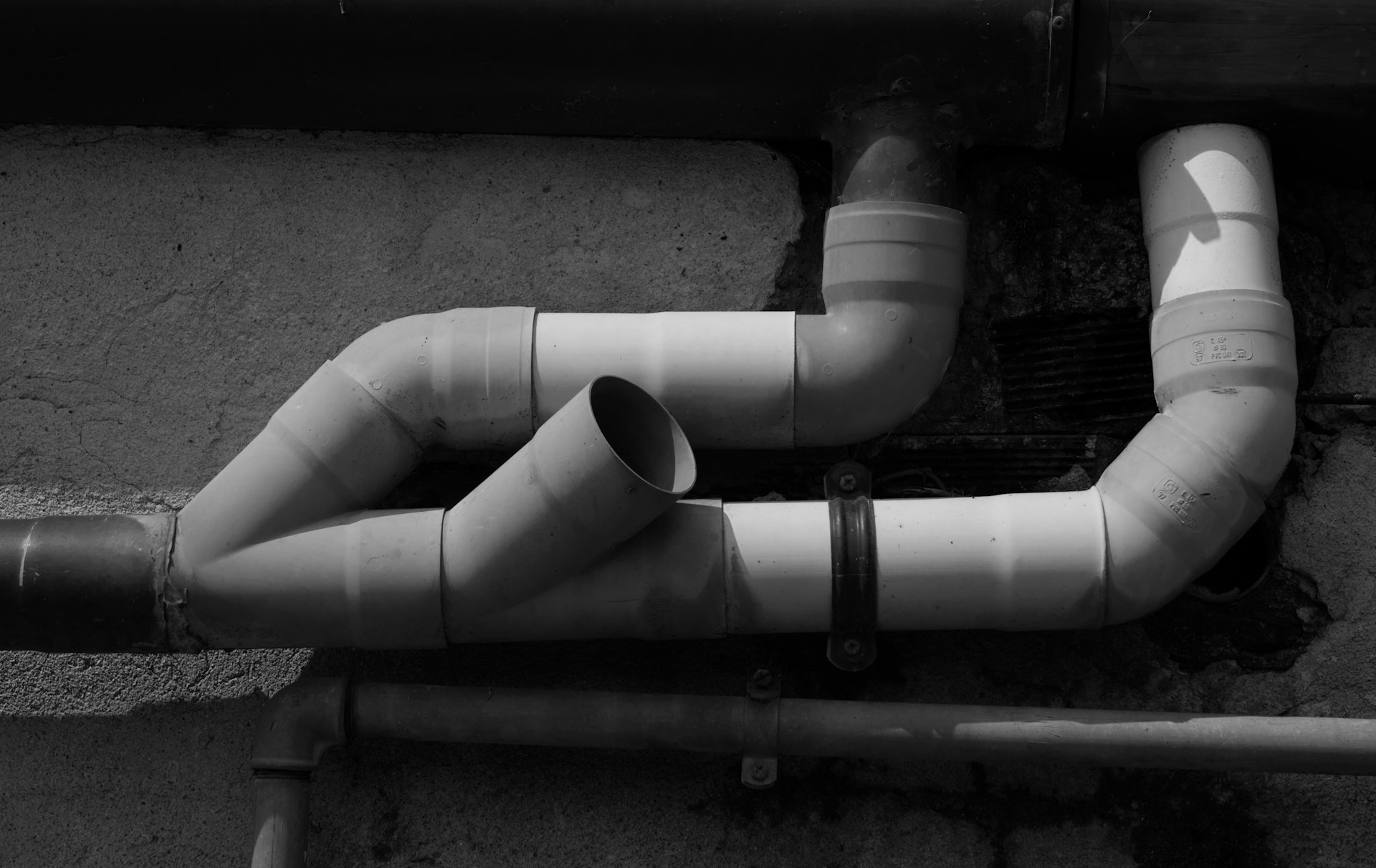
- PVC pipes: Lightweight and corrosion-resistant, ideal for drain lines
- Galvanized steel: Common in older homes, often needs complete replacement
- PEX tubing: Flexible and cost-effective for supply line upgrades
A professional plumber can perform a comprehensive assessment, including pressure tests and visual inspections, to determine your system’s capacity and condition.
Water Supply Line Capacity
Inadequate water supply lines create frustrating performance issues that become apparent only after installation is complete. Undersized pipes restrict flow to multiple fixtures, resulting in pressure drops when someone flushes the toilet while another person showers.
Modern bathroom fixtures often require higher flow rates than older systems can provide. Rainfall showerheads, body sprays, and high-efficiency faucets all have specific pressure requirements that must be met for optimal performance.
Water Pressure and Flow Rate Planning
Proper water pressure ensures that your new fixtures perform as designed while providing the comfortable experience you expect from your bathroom renovation.
Understanding Pressure Requirements
Different fixtures require specific pressure ranges for optimal operation. Standard showerheads function adequately with 30-80 PSI, while luxury rain showers and body spray systems may demand higher pressure levels.
Pressure-balancing valves help maintain consistent temperatures and flow rates, enhancing both safety and user comfort.
Solving Low-Pressure Problems
If your current system suffers from inadequate pressure, several solutions can improve performance:
- Install a pressure-boosting pump system
- Upgrade to larger diameter supply lines
- Replace restrictive fittings and outdated valves
- Consider whole-house water pressure improvements
These upgrades may require significant investment but provide long-term benefits that justify the initial cost.
Drainage System Design and Waste Line Configuration
Effective drainage prevents water damage while ensuring efficient waste removal. Your drainage system must handle increased flow from new fixtures while maintaining proper slope gradients and adequate venting.
Drain Line Sizing and Slope Requirements
Each fixture requires appropriately sized drain lines with correct slope ratios to function properly. Bathroom sinks typically use 1.25″ drain lines, while toilets require 3″ lines to handle solid waste effectively.
Insufficient slope causes slow drainage and frequent clogs, while excessive slope may create siphoning issues that affect fixture performance.
Ventilation System Considerations
Adequate venting prevents sewer gases from entering your home while ensuring proper drainage flow. Adding new fixtures often requires additional venting, which may involve cutting into walls or routing pipes through the roof structure.
Poor venting can cause gurgling sounds, slow drainage, and unpleasant odors that persist long after installation is complete.
Strategic Fixture Installation and Spacing
Modern bathroom fixtures come with specific installation requirements that must be considered during the planning phase. Proper spacing ensures functionality while meeting building code requirements.
Toilet Placement and Rough-In Dimensions
Toilet installation affects both comfort and long-term functionality. Standard rough-in dimensions place the toilet flange 12″ from the finished wall, though 10″ and 14″ options exist for specific situations.
Moving a toilet requires relocating the waste line, which can significantly increase project costs and complexity.
Shower and Tub Installation Requirements
Shower and tub installations require careful planning for supply lines, drain connections, and structural mounting.
Walk-in showers may need additional waterproofing and specialized drainage considerations, while freestanding tubs require accessible supply and drain connections that don’t compromise the aesthetic appeal.
Electrical and Plumbing System Integration
Modern bathrooms integrate numerous electrical components that must work harmoniously with plumbing systems. Proper coordination prevents conflicts and ensures safe, reliable operation.
GFCI Protection and Safety Requirements
All bathroom electrical outlets must have GFCI protection to prevent electrical shock in wet conditions. This requirement extends to lighting fixtures, exhaust fans, and heated floors that may interact with plumbing installations.
Radiant Floor Heating Integration
Radiant floor heating systems require careful coordination with plumbing installations. The heating elements must be positioned to avoid interference with fixture mounting and drain lines while providing even heat distribution throughout the space.
Code Compliance and Permit Requirements
Bathroom renovations must comply with local building codes and typically require permits for significant plumbing modifications. Understanding these requirements prevents costly delays and ensures safe installation practices.
Essential Code Requirements
Most jurisdictions require:
- Minimum clearances around fixtures for safe operation
- Proper venting for all drain lines
- Backflow prevention devices
- Accessible shutoff valves for maintenance
- Adequate structural support for heavy fixtures
Permit Application and Inspection Process
Permit requirements vary by location and project scope. Most areas require permits for moving or adding fixtures, modifying drain or supply lines, electrical work, and structural modifications.
Professional Plumber Selection and Collaboration
Complex bathroom renovations benefit significantly from professional plumbing expertise. Qualified plumbers can identify potential issues, ensure code compliance, and execute installations safely and efficiently.
Contractor Selection Criteria
Choose licensed plumbers with specific bathroom renovation experience. Request references, verify insurance coverage, and obtain detailed written estimates. Quality contractors will explain their approach and timeline clearly while addressing your specific concerns.
Budget Planning and Cost Management
Plumbing typically represents 15-25% of total bathroom renovation costs. Factors affecting pricing include the extent of pipe modifications required, fixture quality and complexity, accessibility of existing plumbing, and local labor rates.
Project Implementation and Quality Control
Successful bathroom renovations require careful sequencing and coordination between different trades. Proper planning minimizes disruptions while ensuring quality results that meet your expectations.
Timeline and Work Sequencing
Plumbing rough-in work typically occurs after framing but before drywall installation. This sequence allows for proper inspection and testing before concealing pipes behind finished surfaces.
Testing and Quality Assurance
Professional installations include comprehensive pressure testing, leak detection, and functionality verification. These steps ensure reliable operation and identify potential issues before project completion.
Transform Your Bathroom With Confidence
Successful bathroom renovations require meticulous attention to plumbing considerations that impact both immediate functionality and long-term satisfaction.
From understanding your existing infrastructure to selecting appropriate fixtures and ensuring code compliance, each decision significantly affects your project’s outcome.
Professional planning and execution can transform your bathroom into a beautiful, functional space that serves your needs for years to come. Investing in proper plumbing design and installation protects your home’s value while ensuring daily comfort and convenience.
Click here for the right professional team to guide you through every step of your bathroom transformation journey, helping you avoid costly mistakes while achieving the results you envision.