
Selecting the right modern home furniture involves prioritizing sleek silhouettes, functional designs, and high-quality materials. Focus on neutral color palettes paired with textured fabrics, and choose contemporary pieces that scale appropriately to your room to ensure your living space remains both sophisticated and exceptionally comfortable.
Creating a refined living space requires more than simply buying new items to fill an empty room. It demands a strategic approach to selecting pieces that harmonize with your daily routines and personal aesthetic.
As interior design trends shift toward minimalism and purposeful living, homeowners and design professionals alike are seeking ways to curate environments that feel both current and timeless. Achieving that delicate balance means understanding the foundational principles of spatial planning, material selection, and color theory.
When you invest time into understanding these core concepts, you prevent costly design mistakes and avoid cluttered, disconnected rooms. Instead, you build a cohesive environment that promotes relaxation and productivity.
This guide provides a comprehensive framework for selecting the right pieces for your space. By examining material durability, proportional scaling, and the distinct characteristics of the interior design modern movement, you will gain the knowledge needed to make confident, informed purchasing decisions.
What Defines the Core Elements of Interior Modern Aesthetics?
How Do Clean Lines Shape Contemporary Spaces?
Modern design relies heavily on geometric precision and unadorned surfaces. Clean lines eliminate visual clutter, allowing the architecture of the room and the furniture itself to take center stage.
When selecting items, look for straight edges and smooth curves rather than ornate carvings or excessive tufting. This streamlined approach ensures that each piece contributes to a sense of order and tranquility.
Why Are Neutral Color Palettes Essential for Modern Rooms?
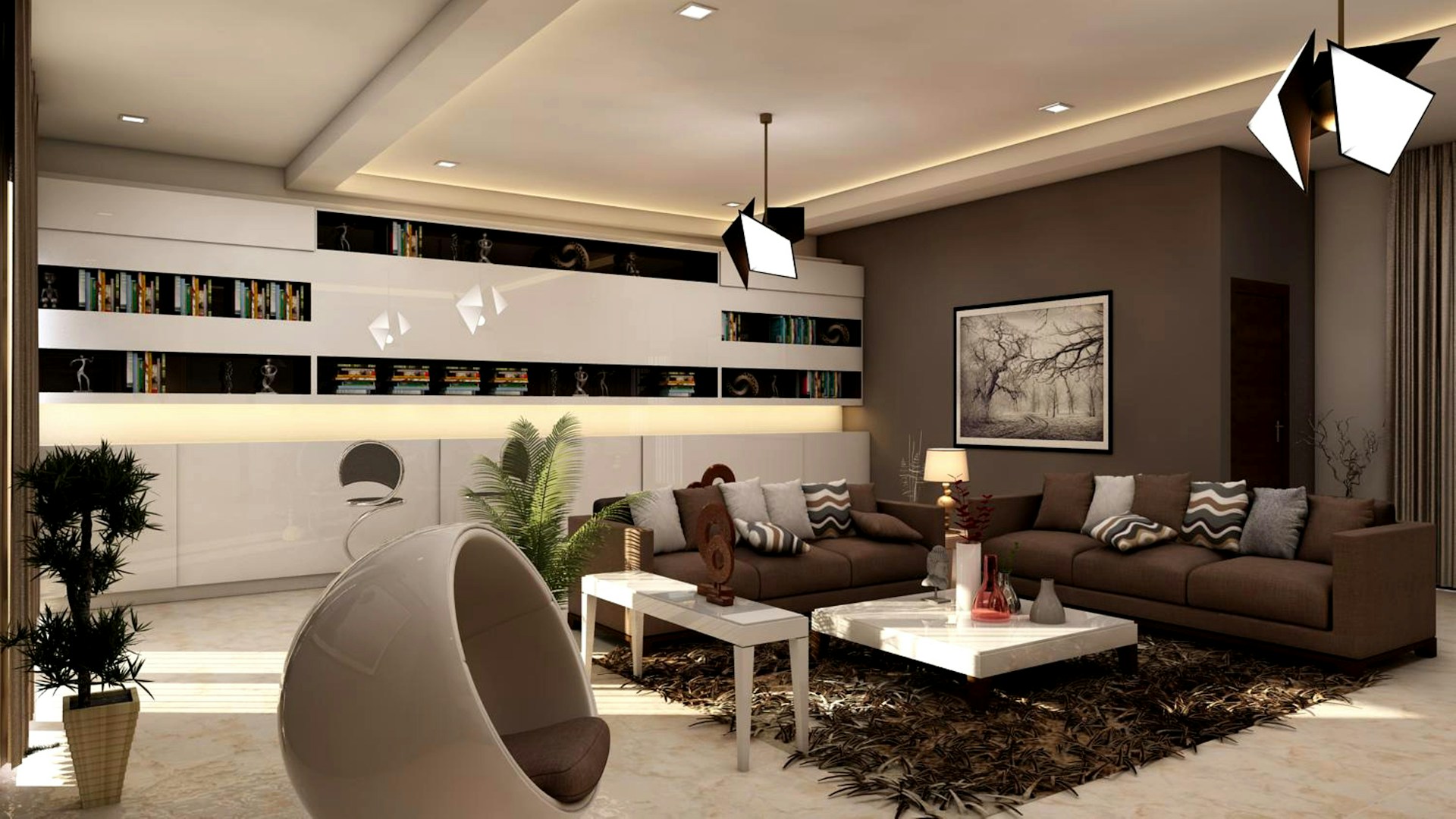
A neutral color palette serves as the foundational canvas for modern interiors. Shades of white, gray, beige, and taupe reflect natural light and create an open, airy atmosphere.
Choose a neutral base for large, foundational pieces like sofas and sectionals. You can then introduce subtle pops of color through easily replaceable accessories, such as throw pillows or artwork, allowing the room’s aesthetic to evolve without requiring a complete furniture overhaul.
How Should You Evaluate the Functionality of Designer Furniture?
What Role Does Multi-Purpose Furniture Play?
Functionality is a cornerstone of modern living, especially in urban environments where square footage is limited. Multi-purpose contemporary furniture maximizes utility without sacrificing style. Evaluate pieces based on their dual capabilities.
- Storage beds: Provide hidden compartments for seasonal clothing.
- Extendable dining tables: Accommodate daily meals and expand for larger gatherings.
- Nesting tables: Offer a flexible surface area that tucks away when not in use.
How Can You Assess the Durability of Everyday Pieces?
High-end designer furniture must withstand the rigors of daily life. Assess durability by examining the frame construction and upholstery grading.
Hardwood frames with corner-blocked construction offer superior longevity compared to particleboard alternatives. For upholstery, review the fabric’s double-rub count. Choose fabrics with a rating of 30,000 double rubs or higher for primary seating areas to ensure they resist fraying and fading over time.
What Materials Work Best for High-Quality Furniture?
When Should You Choose Natural Wood and Stone?
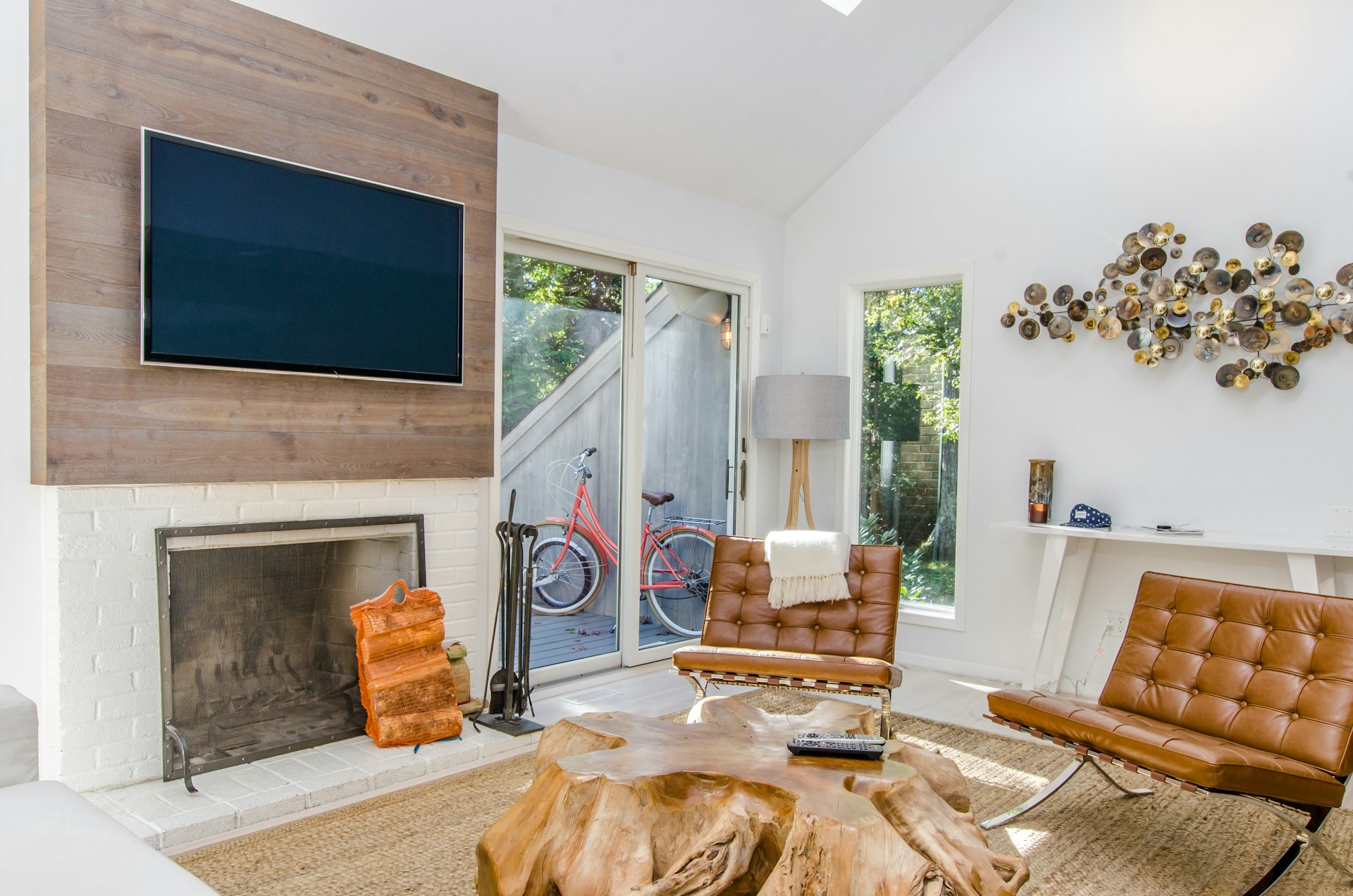
Natural materials ground a modern room, providing warmth and textural contrast to stark architectural lines. Choose solid oak or walnut for dining tables and bed frames if you want to add organic warmth to a predominantly white or gray room.
Incorporate stone elements, such as marble or travertine coffee tables, when you need a highly durable, sophisticated focal point that naturally resists heat and moisture.
How Do Metals and Glass Enhance a Modern Aesthetic?
Metals and glass are vital for creating a sleek, industrial-leaning aesthetic. These materials reflect light, which visually expands smaller spaces.
- Brushed brass or matte black iron: Ideal for chair legs and lighting fixtures, adding subtle contrast.
- Tempered glass: Perfect for shelving or tabletops, providing functional surface area while maintaining an unobstructed line of sight.
How Can You Scale and Proportion Furniture for Different Room Sizes?
What Are the Best Practices for Furnishing Small Apartments?
Furnishing compact spaces requires strict attention to proportion. Oversized pieces will immediately overwhelm a small footprint.
Opt for low-profile sofas with exposed legs; seeing the floor underneath the furniture creates an optical illusion of more space. Additionally, utilize vertical space by installing tall, narrow shelving units rather than wide, bulky bookcases.
How Do You Anchor Large, Open-Concept Living Areas?
Open-concept layouts present the opposite challenge: furniture can easily look floating and disconnected. Anchor these expansive areas by establishing distinct functional zones.
Use large, textured area rugs to define the living room and dining room boundaries. Select substantial, modular sectionals that carry enough visual weight to command the space, and position them to direct traffic flow naturally around the perimeter of the seating area.
Why Is Lighting a Critical Companion to Modern Home Furnishings?
How Does Natural Light Influence Furniture Selection?
Natural light dictates how colors and textures render throughout the day. If a room receives abundant, direct sunlight, avoid dark, heavily dyed fabrics that are prone to UV fading. Instead, choose lighter fabrics and incorporate reflective surfaces, like mirrored accents or polished metals, to bounce the light deeper into the room.
What Types of Artificial Fixtures Complement Modern Designs?
Artificial lighting should layer seamlessly with your furniture layout to enhance both mood and functionality.
- Ambient lighting: Flush-mount fixtures and recessed lighting provide overall illumination without cluttering the ceiling.
- Task lighting: Sleek, adjustable floor lamps positioned over reading chairs offer focused light where it is needed most.
- Accent lighting: LED strip lights installed under floating cabinets or shelving highlight the furniture’s geometric profiles.
How Can Customization Options Like the COM Program Elevate Your Design?
What Is a Customer’s Own Material (COM) Program?
A Customer’s Own Material (COM) program allows buyers to select a standardized furniture frame and upholster it using a fabric of their own choosing.
Many wholesale furniture providers, including SUNPAN, offer COM programs to grant design professionals complete creative control. This process transforms a mass-produced silhouette into a bespoke piece tailored precisely to a client’s specific color scheme and performance requirements.
When Should Interior Designers Opt for Custom Upholstery?
Designers should utilize custom upholstery when standard fabric offerings fail to meet a project’s unique demands. Choose the COM route if a client requires highly specific performance fabrics—such as hospital-grade vinyl for a commercial lobby—or if the design scheme relies on a rare, patterned textile to serve as the room’s visual anchor. This level of customization ensures the final product aligns flawlessly with the broader architectural vision.
Strategies for Finalizing Your Interior Upgrades
Transforming your living environment requires a deliberate, educated approach to purchasing. By prioritizing clean aesthetics, rigorous functionality, and appropriate scale, you ensure your space supports your lifestyle while reflecting sophisticated design sensibilities.
Always evaluate the durability of the materials and consider how lighting will interact with your chosen textures. For those managing complex or highly specific projects, leaning into customization programs allows for unparalleled personalization.
Take these foundational principles, review your current floor plan, and begin curating a home that embodies modern tranquility.